Disclosure / Affiliate Notice:
As an Amazon Associate I earn from qualifying purchases.
Some links in this article may be affiliate links that earn me a commission at no extra cost to you.
A half-open bag of rice spills when you reach for it, flour dust collects in the corners, and finding the pasta you bought last week turns into a small search mission. Pantry shelves can quickly become disorganized when dry foods stay in their original packaging. Storage containers change how that space functions, turning loose items into a system that’s easier to manage day to day.
Why Original Packaging Creates Problems
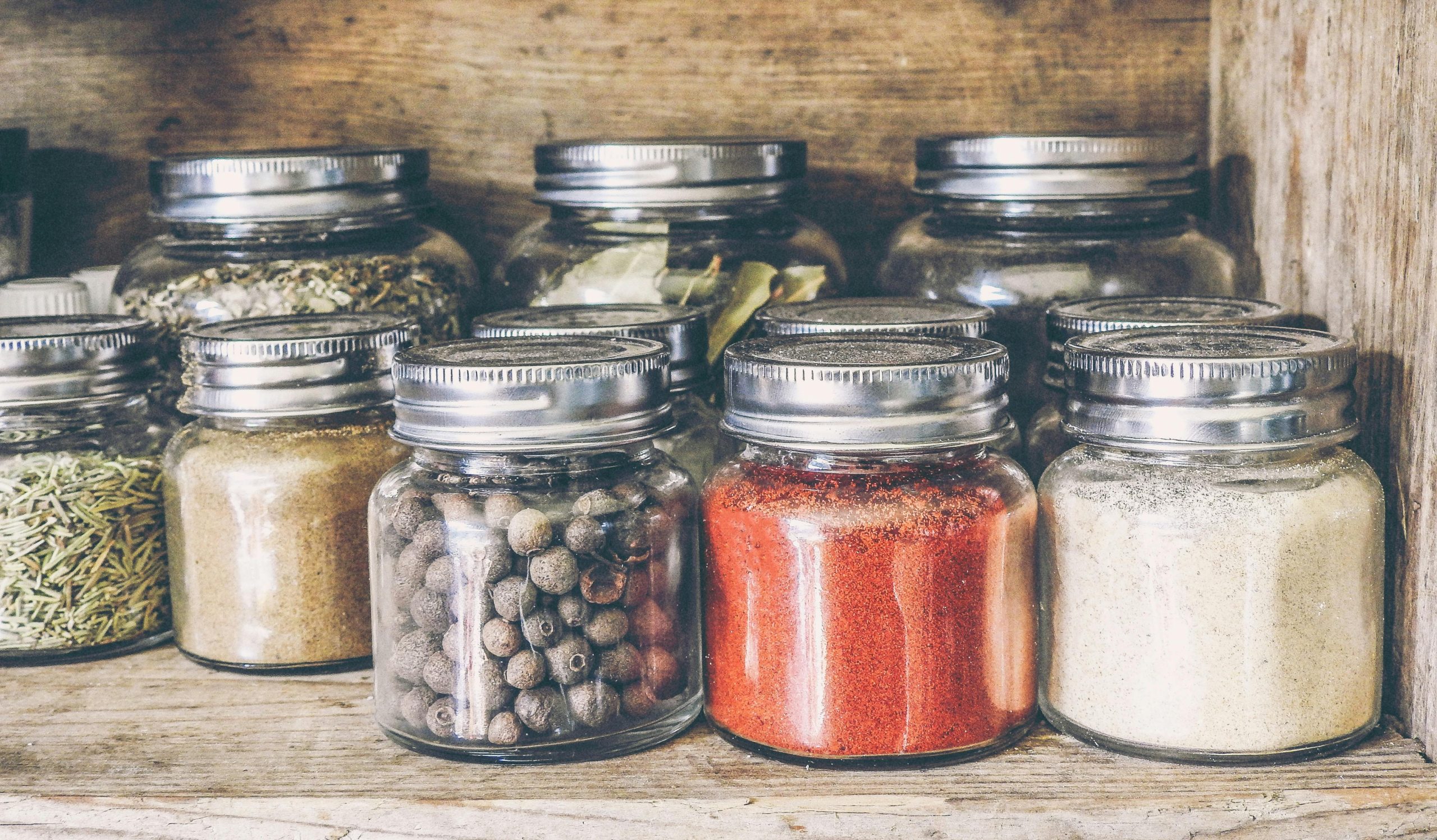
Most dry food packaging is designed for transport, not storage. Bags tear, boxes don’t reseal properly, and once opened, they allow air and moisture inside. This leads to stale food, clumping ingredients, or even pests. Over time, the lack of structure makes it harder to keep track of what you have and how fresh it is.
How Storage Containers Solve It
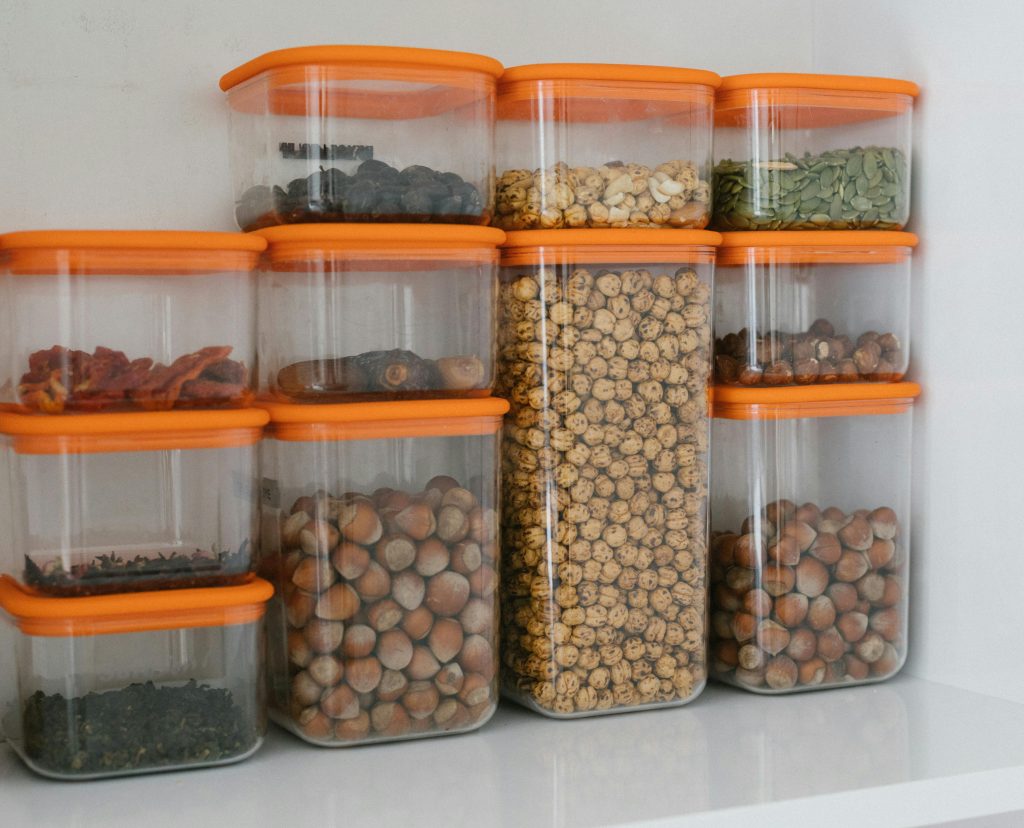
Storage containers create sealed, stackable units that protect food from air and humidity. With consistent shapes, they fit neatly on shelves, making better use of vertical space. Transparent designs allow you to see contents at a glance, which reduces the need to open multiple packages while cooking.
A well-organized pantry often relies more on visibility and consistency than on the number of items stored.
Choosing the Right Containers
Different foods require different conditions. Flour and sugar benefit from airtight seals to prevent moisture absorption, while pasta and cereals need enough space to avoid crushing. Container size matters: too large, and food sits unused; too small, and you end up with multiple partial containers.
Materials also influence usage. Plastic containers are lightweight and practical for everyday handling, while glass offers durability and doesn’t retain odors. Lids should close securely without requiring excessive force, especially if you access them frequently.
Building a Practical System
Organization works best when it reflects how you cook. Group baking ingredients together, keep grains in one section, and place frequently used items at eye level. Labeling containers with names or expiration dates prevents confusion, especially when different ingredients look similar.
Refilling containers at the same time—such as after grocery shopping—helps maintain consistency and avoids mixing old and new stock unintentionally.
Everyday Situations
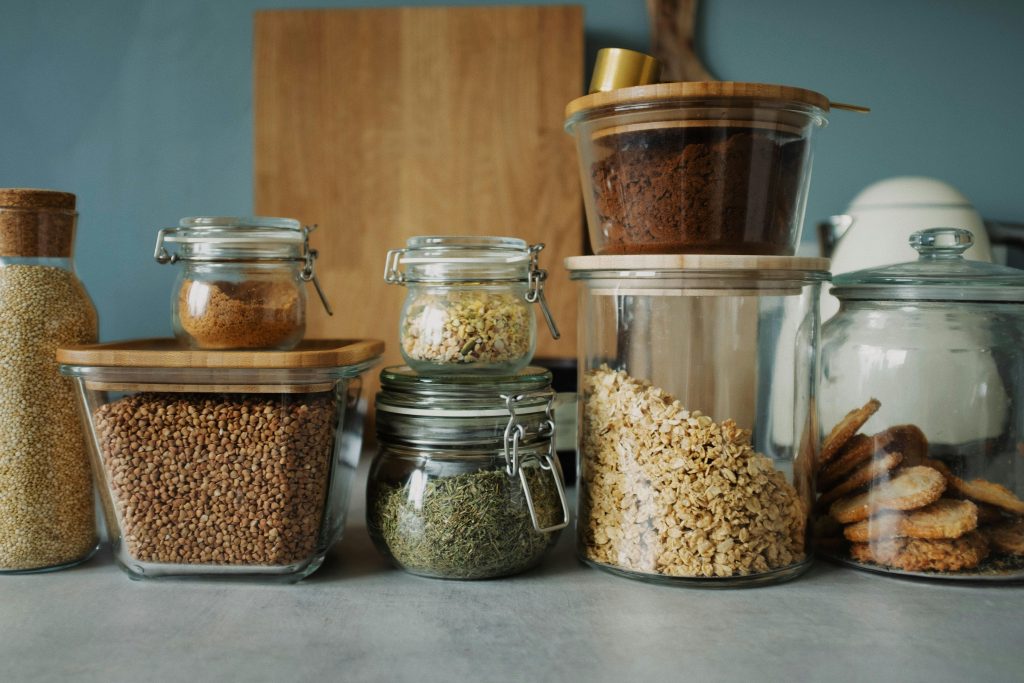
Picture preparing dinner after a long day. Instead of digging through crumpled bags, you reach for clearly labeled containers: rice, lentils, and spices all within view. Or imagine baking on a weekend—flour pours cleanly, sugar is easy to measure, and everything goes back into place without mess.
👉 airtight pantry storage containers (affiliate link)
When pantry items are stored in containers that fit your habits, cooking becomes less about searching and more about simply getting started.
Disclosure / Affiliate Notice:
As an Amazon Associate I earn from qualifying purchases.
Some links in this article may be affiliate links that earn me a commission at no extra cost to you.